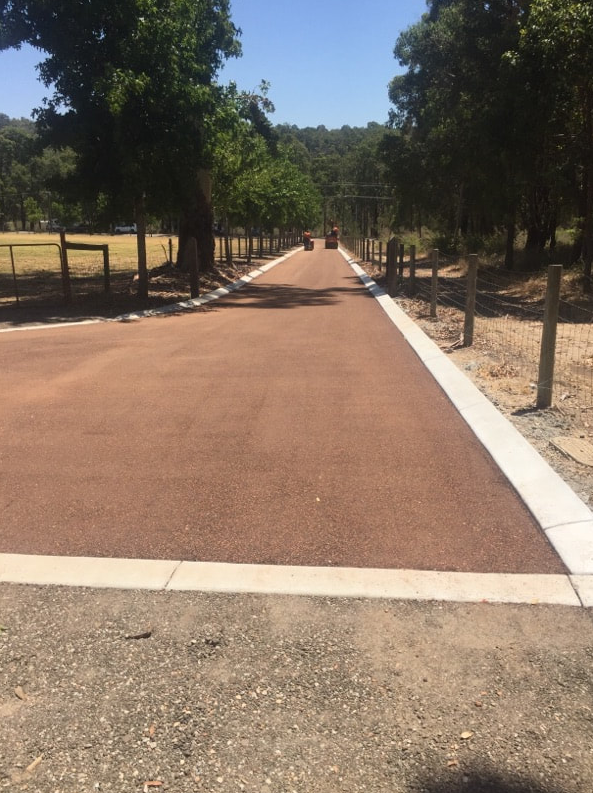
Asphalt hardstands provide a practical, durable surface for areas that need to support heavy vehicles, machinery and frequent operational activity. Commonly used for commercial yards, equipment storage areas, loading zones and vehicle parking, a well-constructed hardstand offers a stable base that can withstand demanding daily use.
For property owners and businesses in Redbank Plains, QLD, selecting the right surfacing solution involves more than choosing a suitable asphalt mix. Ground preparation, load requirements, drainage and professional installation all influence how well the finished surface performs over time.
What Is an Asphalt Hardstand?
An asphalt hardstand is a purpose-built paved area designed to provide a firm, usable surface for vehicles, equipment or stored materials. Unlike a typical residential driveway, a hardstand may need to accommodate heavier loads, repeated vehicle movements and concentrated pressure from machinery or stationary equipment.
Asphalt is often suitable for these applications because it creates a continuous surface without the numerous joints found in some other paving systems. When properly designed and installed, it can support efficient site access and provide a practical area for everyday operations.
The construction method should reflect the intended use of the site. A space used mainly for light vehicle parking will have different requirements from an area regularly accessed by heavy trucks or machinery.
Why Asphalt Is Suitable for Heavy-Duty Surfaces
Strength and Load-Bearing Performance
A hardstand must be able to support the weight and movement of the vehicles or equipment using it. Asphalt can provide a durable wearing surface, but its performance depends heavily on the strength of the underlying foundation and the suitability of the overall pavement design.
Areas exposed to frequent turning, braking or stationary heavy loads may experience greater stress. Considering these demands during planning helps determine the appropriate pavement thickness and supporting structure.
A Practical, Continuous Surface
Asphalt provides a relatively smooth finish that supports vehicle access and manoeuvring. This can be useful for yards, loading areas and equipment storage spaces where an uneven surface could interfere with everyday activities.
A consistent surface also helps reduce loose material and provides a suitable base for organising vehicle movements, storage zones and access routes.
Straightforward Ongoing Maintenance
Although asphalt is durable, regular use and exposure to the elements can eventually lead to cracking, surface wear or localised depressions. Routine inspections can help identify these defects before they spread.
Addressing early damage can help preserve the surrounding pavement and reduce the likelihood of water entering the supporting layers.
The Importance of Proper Ground Preparation
The strength of an asphalt hardstand depends on what lies beneath the finished surface. Even high-quality asphalt can deteriorate prematurely if it is laid over unstable ground or an inadequately prepared base.
Assessing the Ground Conditions
Before construction begins, the site should be assessed to identify soft areas, existing pavement failures and other conditions that could affect stability. The expected vehicle loads and frequency of use should also be considered.
This information helps determine whether the ground requires additional preparation or whether existing materials need to be removed and replaced.
Building a Stable Sub-Base
The sub-base distributes loads across the underlying ground and provides support for the asphalt layers. If it is poorly compacted or unsuitable for the expected traffic, the hardstand may develop ruts, depressions or cracks under repeated loading.
Proper material selection, placement and compaction are therefore essential for achieving a reliable surface. The pavement design should reflect the actual demands of the site rather than relying on a one-size-fits-all approach.
Ensuring Effective Drainage
Water can weaken supporting materials and contribute to pavement deterioration when it collects on the surface or enters through cracks. A well-planned hardstand should incorporate appropriate gradients and drainage arrangements to direct runoff away from vulnerable areas.
This is particularly important in Redbank Plains, QLD, where periods of heavy rainfall can place additional demands on outdoor surfaces. Effective drainage helps reduce standing water and supports the long-term performance of the pavement.
Common Problems with Asphalt Hardstands
Recognising early signs of deterioration allows property owners to arrange suitable maintenance before damage becomes more extensive.
- Cracking: Cracks may develop because of pavement movement, ageing materials or water-related damage beneath the surface.
- Rutting: Depressions along vehicle paths can indicate that the pavement or supporting layers are struggling to withstand repeated loads.
- Potholes: These can form when water enters damaged areas and traffic breaks down weakened materials.
- Standing water: Persistent puddles may point to poor drainage or uneven settlement.
- Loose or worn asphalt: Surface deterioration can indicate that maintenance or a more substantial repair is required.
The appropriate response depends on the extent of the damage and the condition of the foundation. Treating visible defects without addressing the underlying cause may allow the same problems to return.
Professional Asphalt Hardstand Construction in Redbank Plains, QLD
Creating a hardstand that performs reliably under demanding conditions requires careful planning, suitable materials and skilled installation. From assessing the site and preparing the foundation to laying asphalt and managing drainage, each stage contributes to the strength and durability of the finished surface.
Redbank Plains Surfacing Solutions can help property owners and businesses assess their surfacing requirements and identify an appropriate approach for their site. Whether you need a new hardstand or improvements to an existing asphalt area, considering the intended loads and site conditions is essential for achieving a practical result.
If your site requires a durable surface for heavy vehicles, machinery or regular operational use, contact Redbank Plains Surfacing Solutions to discuss your requirements and arrange an assessment.
Conclusion
Asphalt hardstands provide a practical option for heavy-duty areas when the pavement is designed around the expected loads and installed on a properly prepared foundation. Effective drainage, suitable materials and correct compaction all contribute to improved durability and dependable everyday use.
For businesses and property owners in Redbank Plains, QLD, professional surfacing can help create a stable, functional area suited to demanding site conditions. If you are planning a new asphalt hardstand or need to address deterioration on an existing surface, Redbank Plains Surfacing Solutions can help you determine the most suitable next steps.
Call us on: 07 4517 4097
Click here to find out more about Redbank Plains Surfacing Solutions
Click here to complete our contact form and see how we can help with your driveways.