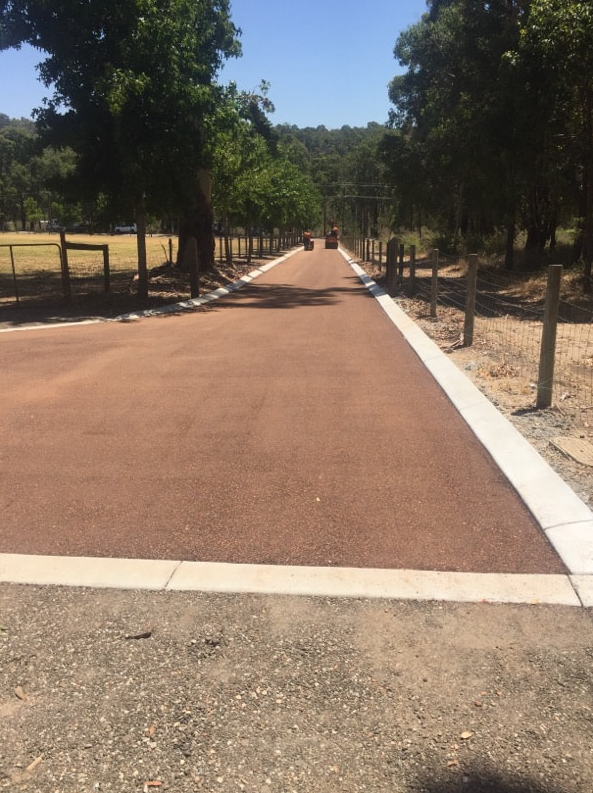
A well-constructed hardstand is designed to cope with regular vehicle movements, equipment, loading activities and other demanding uses. However, even a durable asphalt or bitumen surface will gradually deteriorate as it is exposed to traffic, weather and everyday operational stresses.
The important question is not whether a hardstand will eventually show wear, but when that wear has progressed far enough to justify professional attention. Resurfacing at the appropriate stage can restore the wearing surface and help protect the pavement structure before deterioration becomes more extensive.
For businesses and property owners in Redbank Plains, QLD, recognising the early signs of hardstand deterioration can make it easier to plan maintenance at the right time. Redbank Plains Surfacing Solutions provides professional asphalt and bitumen resurfacing for hardstands where the existing pavement remains suitable for renewal.
What Does Hardstand Resurfacing Actually Do?
Resurfacing involves restoring the upper section of an existing pavement rather than automatically reconstructing the entire hardstand.
The exact preparation required depends on the condition of the existing surface. Damaged sections may need to be repaired, irregularities corrected and the pavement prepared before a new asphalt or bitumen treatment is installed.
When the underlying structure remains stable, resurfacing can restore a consistent wearing surface and provide additional protection to the pavement below.
However, resurfacing is not suitable for every deteriorated hardstand. Significant foundation failure needs to be addressed rather than simply covered.
Widespread Cracking Is Developing
Occasional isolated cracks do not necessarily mean that an entire hardstand needs resurfacing. When cracking begins appearing across substantial sections of the pavement, however, it can indicate that the existing surface is becoming increasingly vulnerable.
Cracks provide pathways for water to enter the pavement. Once moisture reaches the supporting layers, deterioration can accelerate under repeated vehicle loading.
The pattern of cracking matters as much as its presence. Professional assessment can determine whether the problem is primarily within the surface or whether movement underneath is contributing to the damage.
The Surface Is Becoming Rough and Worn
Hardstands often deteriorate gradually rather than failing suddenly. One of the earliest indications can be a noticeable change in surface texture.
Aggregate may become more exposed, the surface can begin breaking down in heavily trafficked areas, and previously consistent sections may feel noticeably rougher when driven across.
Progressive surface wear reduces the protective qualities of the pavement. Resurfacing before deterioration reaches the underlying structure can help restore a stronger, more consistent wearing course.
Potholes Are Beginning to Appear
A single pothole may be a localised defect. Multiple potholes developing across a hardstand can point towards a broader pavement problem.
Potholes often form when water enters weakened pavement, reducing support beneath the surface. Repeated traffic then causes the unsupported material to break apart.
Repairing individual potholes may be appropriate where the surrounding pavement remains sound. If new potholes continue appearing in different locations, it may be time to assess whether more comprehensive resurfacing is required.
Wheel Ruts Are Becoming Noticeable
Hardstands used by commercial vehicles and equipment can experience concentrated loading along common travel paths.
Over time, this may result in wheel ruts or depressions. Rutting can make vehicle movements less comfortable and can also create channels where rainfall collects instead of draining from the pavement.
Shallow surface deformation may sometimes be corrected as part of resurfacing preparation. More substantial rutting, however, can indicate problems deeper within the pavement.
Determining the depth and cause of the deformation is therefore important before deciding how the hardstand should be restored.
Water Is Pooling in New Areas
A hardstand that once drained effectively but now develops puddles after rainfall may have experienced changes to its surface profile.
Rutting, settlement and localised deformation can create low points where water remains. This is more than an inconvenience. Standing water increases the opportunity for moisture to enter small cracks and contribute to further deterioration.
Professional resurfacing can include correcting suitable surface irregularities and restoring appropriate falls where the underlying pavement condition allows.
If deeper settlement is responsible, the affected areas should be repaired before resurfacing proceeds.
The Edges Are Breaking Away
Hardstand edges can be particularly vulnerable when they are repeatedly driven over or lack sufficient support.
Once edges begin cracking or breaking away, deterioration can gradually move further into the pavement. Water may also gain easier access to exposed pavement layers.
Early attention to edge damage can prevent localised defects from becoming larger failures. Where edge deterioration accompanies general surface wear across the hardstand, broader resurfacing may be worth considering.
Previous Repairs Are Becoming More Frequent
Repeatedly repairing different sections of the same hardstand can indicate that the overall wearing surface is approaching the end of its effective service life.
Individual repairs remain valuable when damage is genuinely localised. However, if cracking, potholes and worn areas continue appearing across the pavement, treating each defect separately may no longer address the broader condition of the surface.
At this point, professional inspection can establish whether resurfacing would provide a more comprehensive solution.
Heavy-Use Areas Are Deteriorating Faster
Not every part of a hardstand experiences equal stress.
Entrances, loading areas, turning points and locations where heavy vehicles regularly stop can deteriorate more quickly than lightly trafficked sections. Turning movements are particularly demanding because tyres place additional forces across the pavement surface.
Uneven wear across these areas should not automatically be ignored simply because other sections remain in reasonable condition.
A professional assessment can identify whether localised strengthening and repairs are sufficient or whether resurfacing a larger section would produce a more consistent result.
Fading Alone Is Not the Main Reason to Resurface
Asphalt naturally changes appearance as it ages and is exposed to sunlight and weather. A faded surface does not necessarily mean the pavement has failed.
More meaningful indicators include changes in texture, cracking, loose aggregate, deformation, potholes and drainage problems.
Assessing the physical performance of the hardstand rather than appearance alone helps ensure resurfacing is undertaken for the right reasons.
When Resurfacing May Not Be Enough
Resurfacing works best when the pavement beneath the worn surface remains structurally suitable.
If a hardstand has extensive settlement, significant base failure, deep deformation or widespread instability, applying another surface layer will not correct the underlying weakness. The new surface may eventually reflect the same problems.
In these situations, affected areas may require deeper repairs or reconstruction before new asphalt or bitumen is applied.
This is why a professional pavement assessment should come before deciding on resurfacing.
Why Timing Matters
Waiting until a hardstand is severely deteriorated can allow relatively manageable surface problems to progress into deeper pavement damage.
The ideal time to consider resurfacing is generally while the foundation remains serviceable but the wearing surface is showing widespread signs of ageing or deterioration.
Addressing the pavement during this stage can help protect the supporting structure and extend the useful life of the existing hardstand.
Professional Assessment Provides a Clearer Picture
Surface damage can have several different causes, and similar-looking defects do not always require the same solution.
An experienced surfacing contractor can assess cracking patterns, drainage, rutting, pavement stability and the way the hardstand is used. This provides a clearer understanding of whether repairs, resurfacing or more substantial pavement work is appropriate.
Redbank Plains Surfacing Solutions takes this broader approach when assessing asphalt and bitumen hardstands in Redbank Plains. The objective is to address the actual condition of the pavement rather than simply covering visible deterioration.
Conclusion
Widespread cracking, recurring potholes, rough surface texture, rutting, pooling water, deteriorating edges and increasingly frequent repairs can all indicate that an existing hardstand should be professionally assessed for resurfacing.
The right timing is important. Where the supporting pavement remains stable, resurfacing can restore the wearing surface and help protect the structure underneath. Where deeper failure is present, those underlying problems should be corrected before a new surface is installed.
For commercial and other hardstand areas in Redbank Plains, QLD, Redbank Plains Surfacing Solutions provides professional asphalt and bitumen resurfacing tailored to the condition and use of the existing pavement. If your hardstand is showing increasing signs of deterioration, arranging an assessment can help determine the most appropriate approach for restoring dependable long-term performance.
Call us on: 07 4517 4097
Click here to find out more about Redbank Plains Surfacing Solutions
Click here to complete our contact form and see how we can help with your driveways.