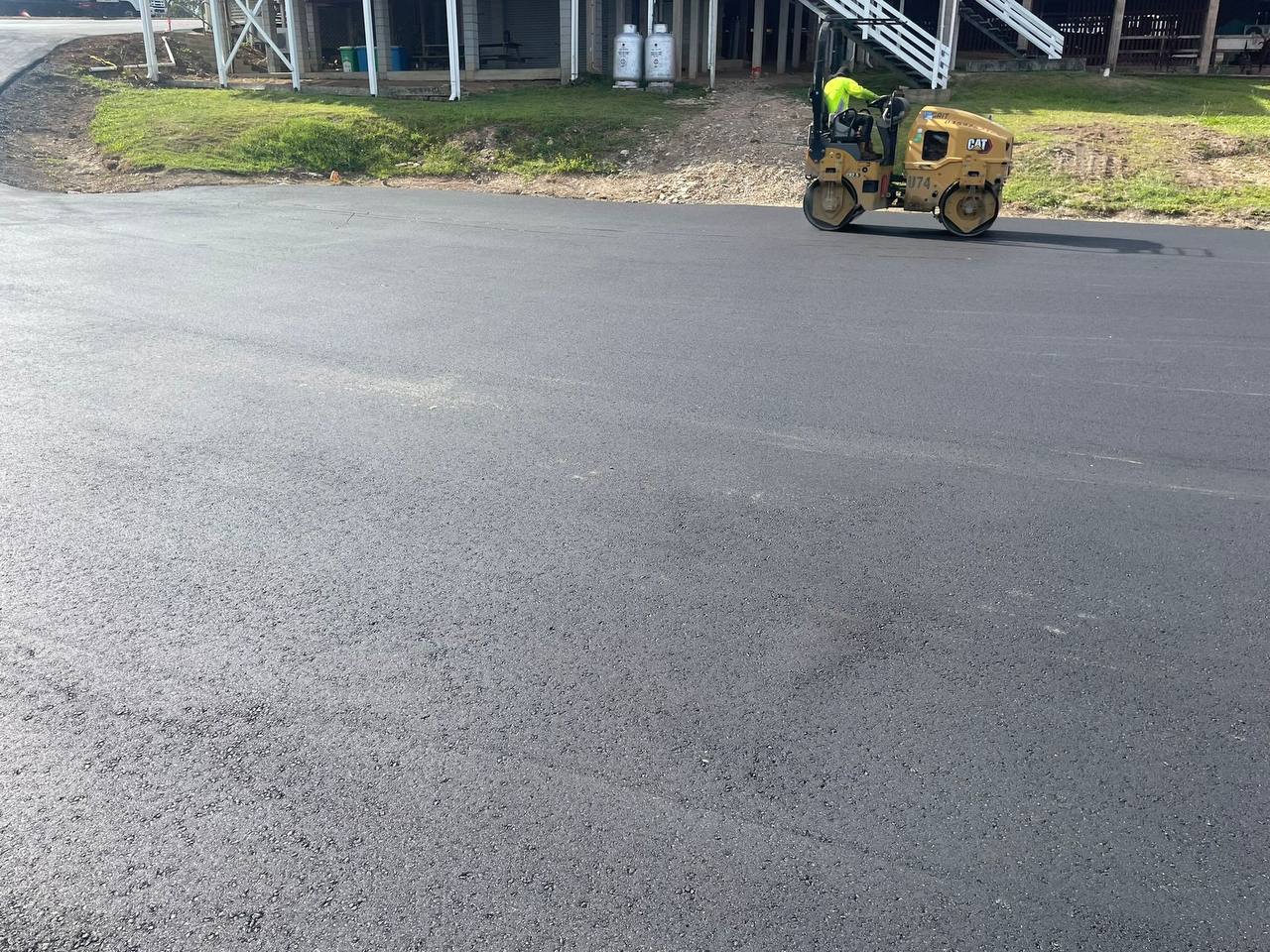
Hardstands provide a practical solution for areas that need to support heavy vehicles, machinery and regular vehicle movements. Unlike a standard residential driveway, a hardstand must be designed around the weight and frequency of traffic it is expected to handle.
For properties in Redbank Plains, QLD, Australia, a properly constructed hardstand can provide a stable surface for trucks, trailers, caravans, machinery and other heavy vehicles while improving access and usability around the property.
What Is a Hardstand?
A hardstand is a specially prepared, durable surface designed to support vehicles, equipment or materials without becoming unstable under regular use.
Hardstands can be used for vehicle parking, loading areas, storage areas, access points and locations where heavy equipment needs to be positioned. The surface may be constructed using different materials depending on the site, intended use and ground conditions.
The most important consideration is that the finished surface has a suitable foundation capable of supporting the expected load.
Why Heavy Vehicles Need a Strong Surface
Heavy vehicles place significantly more stress on a surface than ordinary passenger cars. Repeated movements, braking, turning and loading can gradually affect a poorly prepared area.
Without an appropriate base, heavy traffic can contribute to:
- Cracking
- Rutting and depressions
- Potholes
- Surface movement
- Uneven areas
- Drainage problems
A properly designed hardstand distributes vehicle loads across the underlying construction, helping the surface remain stable during regular use.
Common Uses for Hardstands
Hardstands can be useful for both residential and commercial properties where heavier vehicles need reliable access or parking.
Typical applications include:
- Truck and trailer parking
- Caravan and boat storage
- Machinery areas
- Loading and unloading zones
- Workshop access
- Equipment storage
- Heavy vehicle turning areas
The intended use should be established before construction because different applications can place very different demands on the surface.
Ground Preparation Is Essential
One of the most important stages of hardstand construction happens before the visible surface is installed. The existing ground needs to be assessed and prepared according to the expected loads and site conditions.
Unsuitable material may need to be removed, while the ground can be graded and compacted before an appropriate sub-base is installed.
If the foundation is inadequate, even a strong surface material may eventually develop movement or deformation. Proper preparation therefore plays a major role in the long-term performance of the hardstand.
Choosing the Right Surface
The most suitable surfacing material depends on how the hardstand will be used. Factors such as vehicle weight, traffic frequency, turning movements, drainage and the condition of the ground should all be considered.
A professional assessment can help determine the appropriate construction rather than relying on a standard driveway specification.
This is particularly important where heavy vehicles will regularly enter, leave, turn or remain parked in the same area.
Drainage for Hardstands
Water management should be considered from the beginning of any hardstand project. Standing water can affect the surface and underlying ground, particularly where drainage is already poor.
The finished area should be designed with suitable falls so that rainwater can move away efficiently. Drainage channels or other appropriate measures may also be required depending on the site.
Getting drainage right during construction can help protect the hardstand and reduce the likelihood of water-related problems developing later.
Designing for Vehicle Movement
A hardstand needs to accommodate more than the weight of a stationary vehicle. Turning and manoeuvring can place additional stress on the surface, particularly when larger vehicles are involved.
The layout should therefore provide sufficient space for vehicles to enter, turn and exit without placing unnecessary pressure on edges or confined sections.
Considering vehicle movements during the design stage can help create a more practical and durable finished area.
Maintaining a Hardstand
Even a well-constructed hardstand benefits from routine inspection. Look for early signs of cracking, surface depressions, drainage problems or areas where the surface appears to be moving.
Keeping drainage points clear can also help rainwater flow away effectively. Addressing minor defects early may help prevent them from developing into more extensive surface problems.
Regular maintenance is particularly useful where heavy vehicles use the hardstand frequently.
Hardstand Surfacing in Redbank Plains, QLD
For property owners in Redbank Plains, QLD, Australia, Redbank Plains Surfacing Solutions can provide professional surfacing solutions for hardstands and heavy-use areas.
Every site has different requirements, so the intended vehicle use, ground conditions, drainage and layout should be considered before work begins. This helps ensure the finished surface is suitable for the demands placed upon it.
If you are considering a hardstand in Redbank Plains, QLD, contact Redbank Plains Surfacing Solutions to discuss your requirements and arrange an assessment.
Conclusion
A hardstand needs to be built around the demands of heavy vehicles rather than treated like an ordinary driveway. Strong ground preparation, appropriate surfacing, effective drainage and suitable space for vehicle movements all contribute to reliable performance.
With the right design and construction, a properly prepared hardstand can provide a stable and practical surface for heavy vehicles, machinery and equipment in Redbank Plains, QLD, Australia.
Call us on: 07 4517 4097
Click here to find out more about Redbank Plains Surfacing Solutions
Click here to complete our contact form and see how we can help with your driveways.